These pages represent a past Nordic Spirit Symposium and serve as examples of what you might see at a future Symposium
A unique lecture/performance program presented by the Scandinavian American Cultural and Historical Foundation and California Lutheran University, made possible by generous grants from the Barbro Osher Pro Suecia Foundation and the Norway House Foundation.
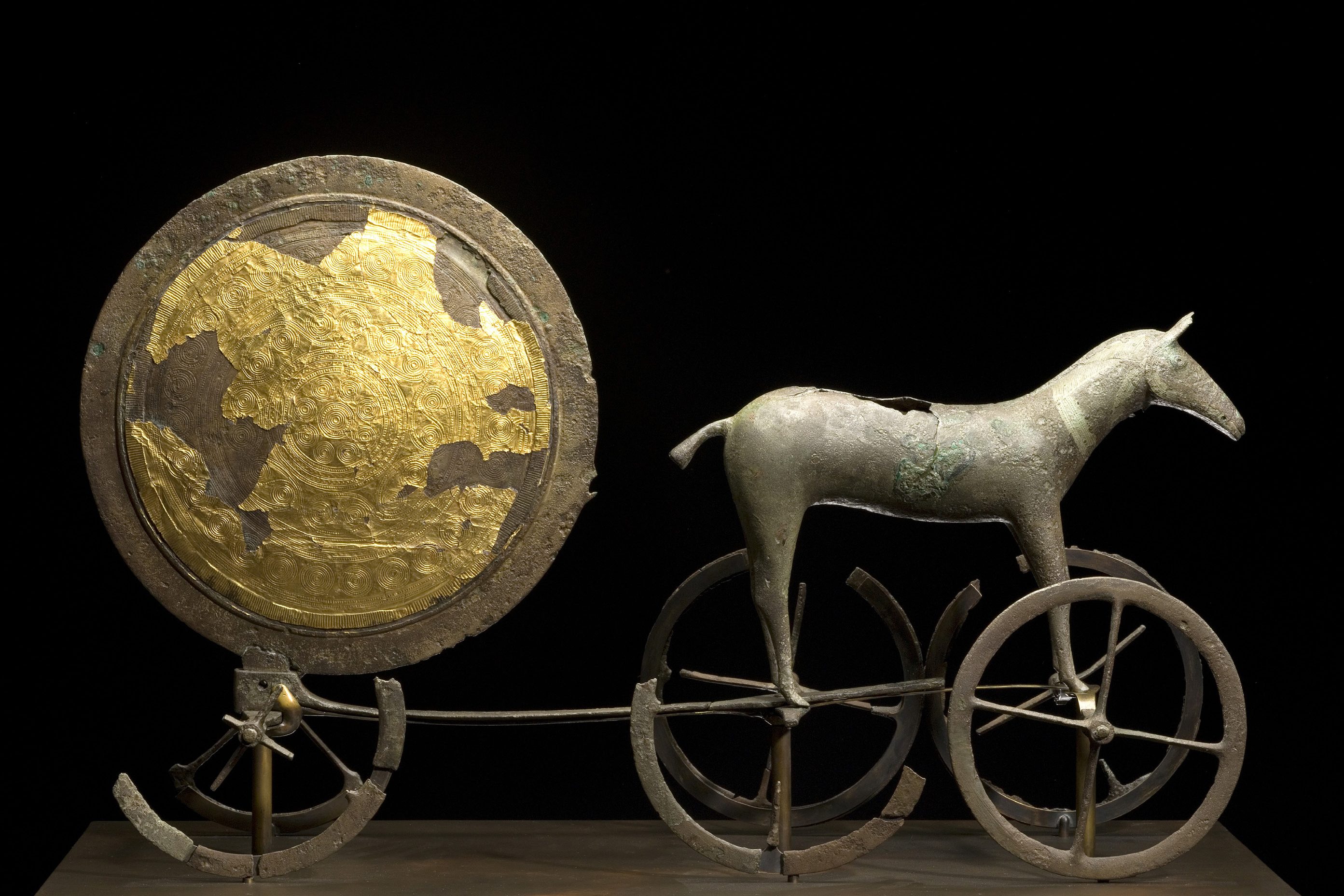
The 26th Annual Nordic Spirit Symposium presents
Before the Vikings:
The Extraordinary Nordic Bronze Age
By Terje Birkedal
On February 7-8, 2025, the Scandinavian American Cultural and Historical Foundation and California Lutheran University will co-host the twenty-sixth Nordic Spirit Symposium in Thousand Oaks, California. Entitled “Before the Vikings: The Extraordinary Nordic Bronze Age”, the symposium will explore one of the most important and exciting periods in the history of Norway, Sweden, Denmark, and Finland. Though academics are more than welcome, the target audience, for this year’s symposium, as always, is the interested general public.
The people of the Scandinavian Bronze Age (1700-500 BCE) were the distant cultural forefathers and foremothers of the Vikings. These ancient ancestors of the Scandinavians built many of the political, economic, and social foundations necessary to the emergence of the more famous Viking Age over a thousand years later. Without the Bronze Age there would have been no Viking Age.
Much of what we usually tend to associate with the coming of the Vikings actually had its origin in the Bronze Age. This early period in history saw the rise of predatory chieftainships with their sword wielding war bands, great feasting halls, and long-distance raiding and trading. It is within the womb of the Bronze Age that Scandinavia’s military democracies, made up of independent free farmer-warriors, were borne. And it was in the Bronze Age when sea going ships transformed the ocean into a highway for gaining both enormous wealth and political power, which in turn, was displayed in the construction of immense funerary mounds that dominated the Bronze Age landscape.
At this time Scandinavia was not an isolated outpost in the north, but an active and major participant in a wide-ranging trade network that spanned the whole of Europe. The most important trade item in this web of trade was bronze but it was closely seconded by gold, amber, furs, and possibly slaves. The Scandinavians shared this highly interconnected world with the famed Greek warriors and kings of Homer’s Iliad and Odyssey. In fact, goods of all kinds, including both metal objects and amber, flowed between Greece and Scandinavia along well-travelled routes through central Europe during the Bronze Age. And so, amazingly, the swords of Denmark’s warriors, and those of other northern lands in this era, were near-identical to those that would have been brandished in the Trojan wars by either Achilles or Hector.
Among the presenters at this public symposium are some of Scandinavia’s leading experts on the Bronze Age. These include Professor Knut Ivar Austvoll of the University of Oslo, Norway, who will shed light on the lifeways and social dynamics that distinguished this time period. Dr. Austvoll will also give Professor Johan Ling’s (University of Gothenburg, Sweden) keynote presentation on the importance of raiding and trading in the Bronze Age [project obligations prevented Dr. Ling’s in-person attendance]. Dr. Heide Wrobel Nørgaard of the Moesgaard Museum and Arhus University, Denmark, will introduce the audience to the magnificent and beautiful bronze metalwork of the period and also illuminate the trade connections that linked Scandinavia to southern Europe during this era. Professor Karin Ojala of Uppsala University, Sweden, will present an overview of both the magnificent pre-Bronze Age and Bronze Age rock art of the Nordic nations and also offer a second presentation on what buried artifacts in Scandinavia tell us about Bronze Age contact networks in Northern Europe and beyond. To further round out understanding of the Bronze Age, Dr. Janne Ikäheimo of the University of Oulu, Finland, will deliver an overview of the Bronze Age in Finland. And to cap off the proceedings and delight lovers of traditional Nordic music, Dr. Joan Haaland Paddock of Linfield University, Oregon, will give a demonstration and talk on the great lurs (long, large trumpets) that were played from the Bronze Age into the recent centuries of Scandinavian history.
If you are at all interested in Scandinavia’s ancient past and heritage you will not want to miss this public symposium.
For more information, please contact nordicspiritclassics@gmail.com.
Terje G. Birkedal, was born in Stavanger, Norway, in 1946. He immigrated to the United States as a child and grew up in Colorado. After earning a Ph.D. in Anthropology at the University of Colorado he served as an archeologist with the National Park Service for 36 years. He has conducted fieldwork in Alaska, the American South and Southwest, the Great Plains, Guam, and Norway. He is currently a frequent contributor to The Norwegian American on such subjects as Scandinavian prehistory, history, and culture.
Registration, Reservations, and Event Fees
The symposium is free of charge to enrolled students in good standing. All other attendees will charged a registration fee of $25.00 for the Friday Evening Symposium Program and a registration fee of $50.00 for the Saturday Symposium Program.
Advance reservations and a fee of $15.00 are requested for the Friday Evening Reception at 5:30 p.m. on February 7, 2025. Lunch reservations for 12:00 noon on Saturday February 8, 2025 will be available at $15.00 per person. Similarly, advance reservations are also requested by for the Saturday Evening Dinner and Entertainment at 6:00 p.m. on February 8, 2025. The cost of the dinner and entertainment is $45.00 per person. Reservations for Saturday lunch and dinner are due no later than January 27, 2025.
For information, please contact nordicspiritclassics@gmail.com.
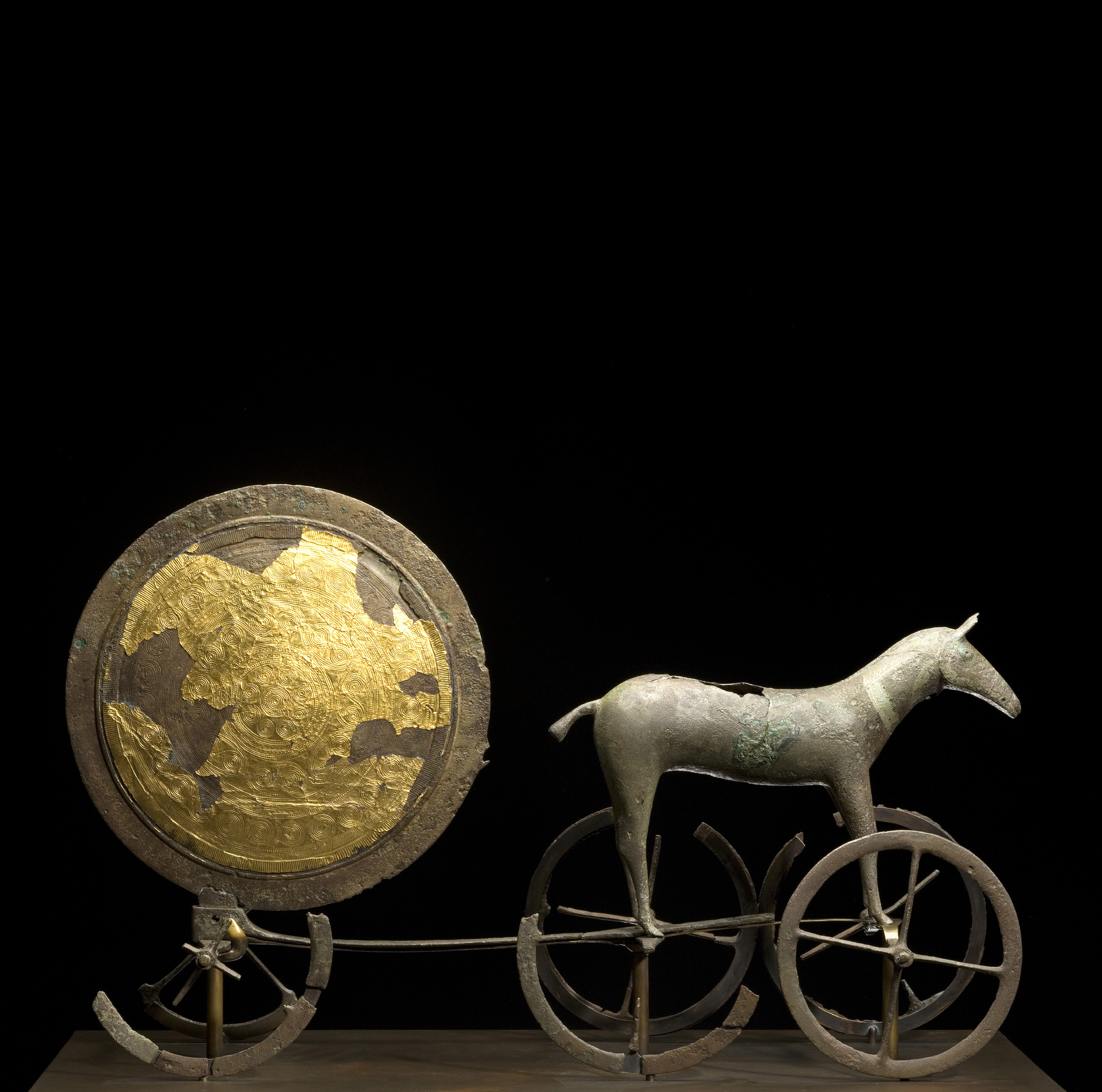
Nordic Spirit Presents
Before the Vikings: The Extraordinary Nordic Bronze Age
The Nordic Bronze Age represents a fascinating chapter in prehistory. During the Nordic Bronze Age, about 1700 to 500 BC, Scandinavia stood out above the rest of Europe for its bronze craftsmanship and prolific petroglyphic rock art. Trade routes to the Mediterranean were active with amber from the Baltic in exchange for metal and a variety of things. Maritime trade also grew. Features commonly attributed to the Vikings were already prevalent and developing during the Nordic Bronze Age. Ships and warriors as well as animals were common depictions in the rock art of southern Scandinavia. Some scholars find the Nordic Bronze Age much more interesting than the Viking Age. Others suggest there would be no Viking Age without the Nordic Bronze Age. Archaeologists from major universities in Denmark, Norway, Sweden and Finland will give illustrated presentations on this extraordinary era in Scandinavian prehistory. These presentations will be geared for a public audience, with ample time for guest interaction and discussion with like-minded participants.
SCHEDULE
FRIDAY EVENING, FEB. 7, 2025
Scandinavian Center – 26 Faculty Street, Thousand Oaks
5:30 – 6:30 p.m. Gala Reception
Reservations requested – Admission is $15
Samuelson Chapel, California Lutheran University
6:15 – 7:00 p.m. Registration
7:00 – 9:30 p.m. Program
The Magnificent Rock Art of the Nordic Bronze Age
Karin Ogala, Ph.D., Uppsala University, Uppsala, Sweden
Petroglyphs from the Bronze Age and before are prolific in Scandinavia, in thousands of locations. Tanum in Behuslän in southern Sweden contains a UNESCO World Heritage Site that has an incredible number of depictions of ships, warriors, animals, and more. A site at Alta in northern Norway is also a UNESCO World Heritage Site.
The Networks of the Horned Helmets
Heide Wrobel Nørgaard, Ph.D., Moesgaard Museum, Moesgaard, Denmark
Trade of Baltic amber for southern metal expanded greatly during the Nordic Bronze Age. New knowledge acquired in recent years has enhanced understanding of Bronze Age armor. The Viksø horned helmets have been an intriguing mystery since their discovery in 1942. Were they made in Scandinavia or imported from the South?
SATURDAY, FEB. 8, 2025
Samuelson Chapel, California Lutheran University
8:15 a.m. Registration
9:00 – 5:15 p.m. Program, Breaks and Lunch
Keynote Presentation
Bronze Age Long Distance Exchange and the Maritime Mode of Production: The System that Laid the Foundation for the Viking Age
Johan Ling, Ph.D., Gothenburg University, Gothenburg, Sweden
Presented by Knut Ivar Austvoll, Ph.D., University of Oslo, Oslo, Norway Scandinavian societies were the great raiders-traders during the Bronze Age and we argue that the societies rested upon a Maritime Mode of Production. This model helps us understand political institutions formed with decentralized chiefdoms, low population densities, mobile warriors and long-distance trading. Other global chiefdoms with similar social organizations, such as the Chumash in California, will be discussed.
Cultural Crossroads: The Dynamic Bronze Age of Finland
Janne Ikäheimo, Ph.D., University of Oulu, Oulu, Finland
The Bronze Age in Finland was a transformative era. Despite harshening climatic conditions and decline in population, early experiments with agriculture and animal husbandry took root, showcasing adaptation and resilience. Recently, analyses of airborne laser scanning data with AI algorithms have begun to provide new insights into this fascinating period of prehistory.
12:00 p.m. Lunch Break
1:30 p.m. Afternoon Program
Lifeways and Social Organization in Northwestern Scandinavia During the Nordic Bronze Age
Knut Ivar Austvoll, Ph.D., University of Oslo, Oslo, Norway
The Nordic Bronze represents a fascinating chapter in prehistory. Migration and innovation, such as advanced boat technology, led to a network of complex exchange patterns that interconnected groups and fostered a shared cultural identity across Scandinavia. With a diverse array of archaeological data, we can explore how exchange fueled local economic prosperity while also contributing to competition and conflict.
The Lur of Prillar Guri: A Fascinating History of the Scandinavian Metal and Wooden Trumpets
Joan Paddock, Ph.D., George Fox University, Newberg, Oregon (recently retired from Linfield University)
The history of lurs, from the Bronze Age metal lurs to the Norwegian wooden lurs, will be discussed and highlighted with the story of Prillar Guri. Dr. Paddock will also demonstrate and perform with a wooden lur.
The Bronze Age Metalcraft: Traces and Techniques Reveal Craftspeople and Networks
Heide Wrobel Nørgaard, Ph.D., Moesgaard Museum, Moesgaard, Denmark
An overview of the fantastic metalwork of the Nordic Bronze Age will be given. Secrets of these artefacts and ornaments reflecting differing technologies, innovation and style will be used to identify craftspeople, workshops and contact networks.
SATURDAY EVENING
Lundring Events Center, California Lutheran University
5:30 – 6:00 p.m. Social
6:00 p.m. Dinner, Entertainment
Reservations required. Dinner admission is $45.
This event is partially supported by The Barbro Osher Pro Suecia Foundation, a California nonprofit corporation with an intent to provide support to nonprofit organizations that benefit Swedish education, culture and arts.
This event is partially supported by the Norway House Foundation, a California nonprofit corporation dedicated to honoring the Norwegian seafarers who risked their lives for the Allied cause in World War II. The Norway House Foundation carries out its mission by promoting, encouraging, and supporting educational, professional and cultural exchange between Norway and Northern California.
The organizers reserve the right to make any changes that may be necessary.
 Scandinavian American Cultural and Historical Foundation